
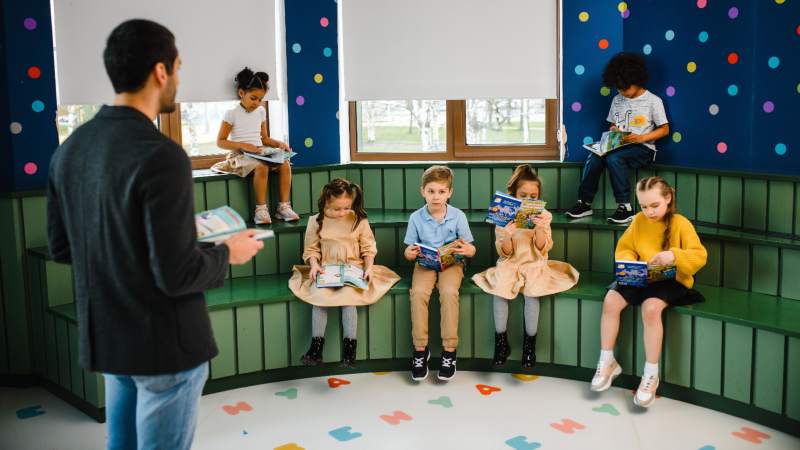
Children learn new things every day through observation, play, conversation, and everyday experiences. Their early years are especially important because they develop essential skills, build relationships, and begin understanding the world around them. Parents and caregivers can support this growth by providing a safe environment, encouraging curiosity, and making learning enjoyable.
An effective educational guide llblogkids approach focuses on helping children develop at their own pace. Instead of putting pressure on them to learn quickly, adults can introduce age-appropriate activities that build confidence, creativity, communication, and problem-solving abilities. Small learning opportunities at home can make a meaningful difference in a child’s development.
1. Understand Your Child’s Learning Needs
Every child has a different personality, learning style, and pace of development. Some children enjoy reading and listening to stories, while others learn better through physical activities, pictures, or hands-on experiences.
Parents should observe which activities interest their children and use those interests to introduce new skills. For example, a child who enjoys drawing may learn about shapes, colors, and numbers through simple art projects.
Avoid comparing children with siblings, friends, or classmates. Development does not happen at exactly the same speed for everyone. Offer positive support and give children sufficient time to grasp unfamiliar concepts.
2. Make Learning Enjoyable Through Play
Play is one of the most natural ways for children to explore their surroundings. It allows them to experiment, make decisions, communicate, and develop important physical and mental abilities.
Simple activities can turn ordinary playtime into a learning opportunity. Building blocks can introduce shapes and basic counting, while puzzles can improve concentration and problem-solving skills.
Parents can also organize activities such as:
- Sorting toys according to color, shape, or size.
- Building towers with blocks or safe household materials.
- Playing matching games with pictures.
- Creating simple crafts using paper and crayons.
- Pretending to run a shop, restaurant, or classroom.
The goal is to make learning interesting rather than treating every activity like a formal lesson.
3. Encourage Reading and Storytelling
Reading supports children’s language development, strengthens their imagination, and improves their ability to listen and understand. Even a few minutes of reading each day can introduce new vocabulary and encourage an interest in books.
Choose stories that match the child’s age and interests. Picture books are useful for younger children because illustrations help them understand the story. Older children may enjoy short stories, adventure books, and simple educational material.
Parents can make reading more interactive by asking questions such as:
- What do you think will happen next?
- Which character do you like most?
- Why did the character make that decision?
- Can you describe what you see in this picture?
Storytelling is also valuable. Encourage children to create their own stories using toys, drawings, or everyday experiences.
4. Develop Communication and Social Skills
Communication helps children express their thoughts, understand others, and build healthy relationships. Parents can strengthen these skills by talking with children regularly and listening carefully to their responses.
Give children opportunities to explain what they think, describe their experiences, and ask questions. Simple conversations during meals, walks, or household activities can help improve their confidence.
Social skills also develop through interaction with family members and other children. Activities that involve sharing, taking turns, teamwork, and cooperation teach valuable lessons.
When disagreements happen, guide children toward peaceful solutions. Explain the importance of listening, respecting different opinions, and expressing feelings appropriately.
5. Introduce Basic Math and Problem-Solving Activities
Children can begin learning basic mathematical ideas through everyday experiences. Counting toys, identifying numbers, comparing sizes, and sorting objects are simple ways to introduce early mathematics.
For example, parents can ask children to count fruit while preparing a snack or identify the larger and smaller objects in a collection. These activities connect learning with familiar situations.
Problem-solving games are equally useful. Puzzles, building activities, and simple matching challenges encourage children to think carefully and try different approaches.
Allow children to make mistakes during these activities. Mistakes are a normal part of learning and can help them discover better solutions.
6. Support Creativity and Imagination
Creative activities give children opportunities to express themselves and explore new ideas. Drawing, painting, music, storytelling, and craft projects can support imagination and develop fine motor skills.
Provide simple materials such as paper, washable colors, crayons, safe craft supplies, and building blocks. Let children decide what they want to create instead of expecting every project to look perfect.
Music and movement can also encourage creativity. Singing songs, dancing, clapping rhythms, and making simple musical patterns help children explore sounds and coordination.
A useful educational guide llblogkids principle is to value the learning process rather than focusing only on the final result. Praise children’s effort, curiosity, and willingness to try something new.
7. Create a Positive Learning Environment at Home
Children benefit from an environment where they feel comfortable asking questions and exploring ideas. A quiet reading corner, an organized play area, or a small table for drawing can make learning easier.
You do not need expensive furniture or educational equipment. Everyday household items can support many activities when used safely and appropriately.
Try to keep learning materials within easy reach so children can choose activities independently. At the same time, supervise young children and keep small objects, sharp tools, and unsuitable materials away from them.
A positive environment should also include patience. Give children time to complete activities, and avoid criticizing them when they struggle with something unfamiliar.
8. Balance Screen Time with Physical Activities
Digital devices can provide access to educational games, videos, and interactive learning resources. However, screen use should be balanced with activities that involve movement, conversation, creativity, and direct interaction.
Parents should choose age-appropriate content and supervise children’s online experiences. Establish clear screen-time routines and avoid allowing devices to replace sleep, outdoor play, reading, or family conversations.
Physical activities such as walking, cycling with suitable safety equipment, ball games, and outdoor exploration support coordination and general well-being.
A balanced routine gives children different ways to learn and develop throughout the day.
9. Build Good Habits and Independence
Everyday responsibilities can teach children valuable life skills. Simple tasks such as putting toys away, arranging books, washing hands, and helping prepare a basic snack encourage independence.
Introduce responsibilities according to the child’s age and abilities. Give clear instructions and demonstrate each task when necessary.
Consistency is important when developing habits. A regular schedule for meals, playtime, reading, and bedtime can help children understand daily expectations.
Encourage children when they complete tasks independently. Positive feedback helps them feel capable and motivates them to keep practicing.
10. Be Patient and Celebrate Progress
Learning takes time, and children may need repeated practice before understanding a new skill. Parents should recognize small achievements and provide encouragement when children make an effort.
Instead of focusing only on correct answers, appreciate curiosity, persistence, and improvement. If a child finds an activity difficult, simplify it or try another approach.
The ideas in educational guide llblogkids encourage supportive learning experiences that respect individual differences. A caring adult can help children feel secure enough to explore, ask questions, and develop confidence.
If you have concerns about a child’s development, learning difficulties, or behavior, consider discussing them with an appropriate teacher or qualified child development professional.
Frequently Asked Questions (FAQs)
1. Why is early learning important for children?
Early learning helps children develop communication, social interaction, creativity, problem-solving, and basic academic skills. It also builds confidence and prepares them for future educational experiences.
2. How can parents make learning fun at home?
Parents can use storytelling, puzzles, drawing, counting games, building blocks, and simple household activities. Choosing activities based on a child’s interests can make learning more enjoyable.
3. How much time should children spend learning each day?
Every child has different needs, so one schedule may not work for everyone. Learning can happen naturally throughout the day through play, reading, conversations, and everyday experiences. Activities should be appropriate for the child’s age and attention span.
4. What activities help improve children’s creativity?
Drawing, painting, music, pretend play, storytelling, and simple craft projects can encourage creative thinking. Give children the freedom to express their ideas and discover new things without feeling pressured.
5. How can parents encourage independent learning?
Parents can provide accessible learning materials, offer simple choices, establish routines, and allow children to complete suitable tasks on their own. Guidance and supervision remain important, especially for younger children.
6. Should educational activities replace regular playtime?
No. Play is an important part of childhood and supports physical, emotional, and social development. Educational activities should complement play rather than remove opportunities for free exploration.
Conclusion
Supporting children’s education does not always require formal lessons or expensive resources. Everyday conversations, creative projects, reading sessions, games, and household activities can all contribute to learning and development.
The best approach is to understand each child’s interests, provide suitable opportunities, and maintain a positive environment. With patience, encouragement, and consistent support, children can gradually develop useful skills and become more confident learners. A balanced routine that includes education, play, rest, and social interaction helps create a strong foundation for lifelong learning.